Oct. 1, 2026
One Front Door creates a clearer path for every student
At Clark State College, the path to a career or college degree does not begin with deciding which door to enter.
It begins with understanding where a student wants to go.
That philosophy is at the heart of Clark State’s One Front Door approach, a student success model designed to provide every learner with consistent support and a clear path forward, regardless of where or how they begin their education.
Whether students take classes online or attend Clark State’s campuses in Springfield, Xenia, Beavercreek or Bellefontaine, the goal is to provide the same level of access, guidance and support.
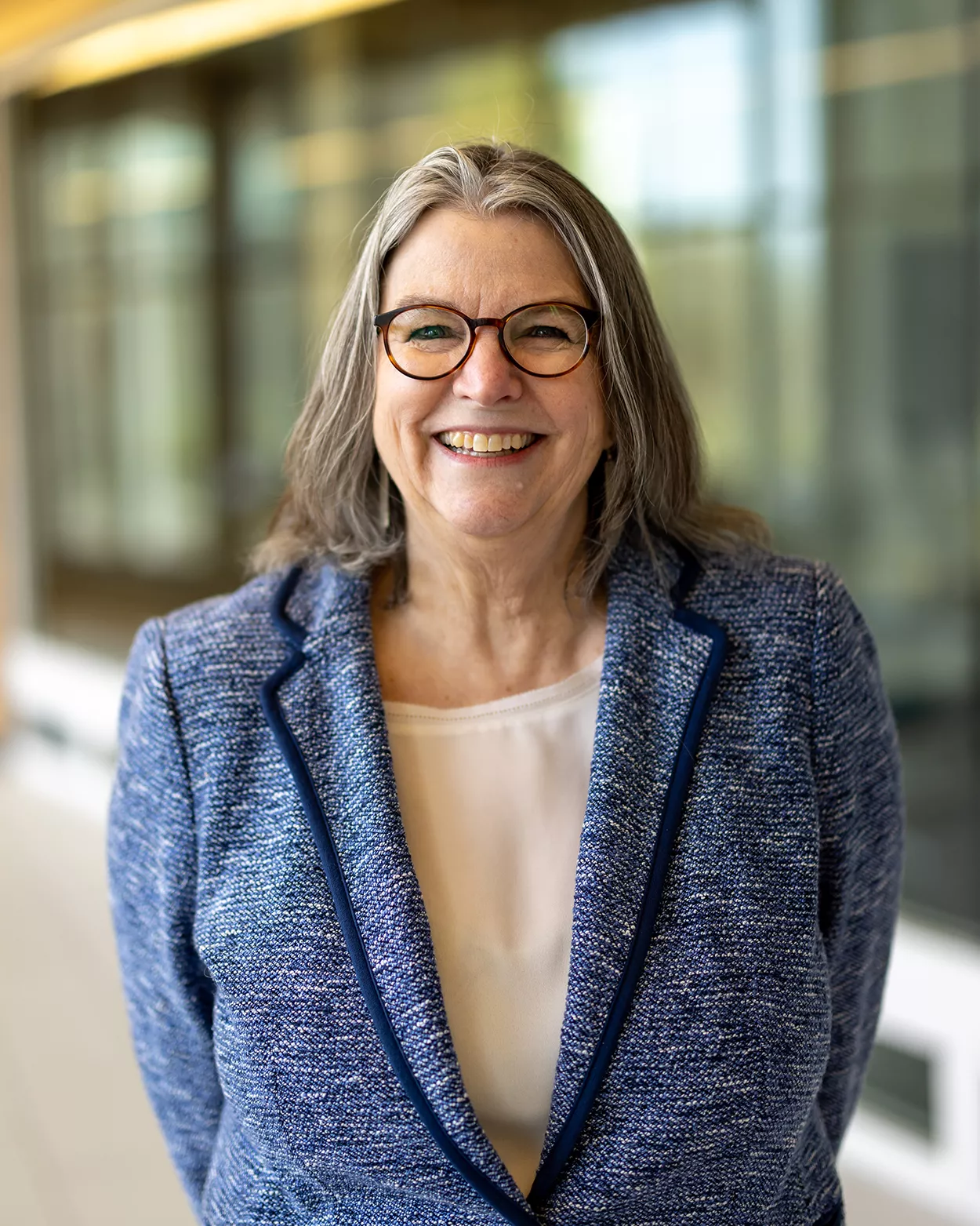
“One Front Door is about changing the way we think about the student experience,” said Adrienne Forgette, Ph.D., provost and vice president of academic affairs at Clark State College. “Our responsibility is to meet students where they are, understand their goals and help them identify the best path to get there.”
Traditionally, higher education has separated academic programs from workforce training, requiring students to navigate different departments, processes and terminology depending on what they want to accomplish. For students who are balancing work, family and other responsibilities, those distinctions can create unnecessary barriers.
Clark State’s One Front Door approach is designed to remove those barriers by making the college easier to understand and navigate.
The model focuses on three key areas: equitable support, multisite consistency and streamlined access.
Equitable support means every student receives consistent guidance regardless of their starting point. A student seeking a short-term workforce credential and a student pursuing a degree may have different educational goals, but Clark State believes both should have access to the information and support necessary to make informed decisions about their future.
The approach also recognizes that education is not always a straight line.
A student may begin with a short-term credential because entering the workforce quickly is the immediate priority. Later, that student may decide to pursue an associate degree or continue toward a bachelor’s degree. Another student may begin with a degree program and discover a need for additional workforce training or an industry credential.
Rather than treating those experiences as separate educational tracks, One Front Door is intended to create connections between them.
That connection is particularly important as employers increasingly seek workers with both industry-specific skills and the ability to continue learning as technology and workforce needs evolve.
Clark State has continued to expand programs and credentials aligned with regional workforce needs including health care, advanced manufacturing, cybersecurity, public service and other career-focused fields. The college also provides short-term workforce training designed to help students and workers gain skills and industry-recognized credentials.
“The starting point may be different for every student, but that does not mean the student should have to navigate a completely different college,” Forgette said. “We want students to see the connections between what they are doing today and what they may want to accomplish tomorrow.”
That philosophy also supports Clark State’s broader focus on student success. In 2026, the college was named an Achieving the Dream Leader College in recognition of its work to expand access, strengthen student retention and course completion, and develop student success strategies.
For Clark State, One Front Door is not simply about reorganizing programs or processes. It is about changing the institution’s perspective — from asking students to figure out how the college works to making the college work more effectively for students.
It means looking at each interaction through a simple question: What does the student need next?
“We want to create an environment where students can focus on their goals rather than trying to figure out how to navigate the institution,” Forgette said. “If we can make that experience clearer and more consistent, we can help more students move forward, whether their goal is a credential, a degree, a new career or continued education.”
Through One Front Door, Clark State is working toward a college experience where there is no wrong place to begin, only a clearer path to what comes next.